PARASOCIAL RELATIONSHIPS—of which I admit to having a few—can be fun. They form the basis for most fandom after all, to one degree or another.
This is true for fans of fiction authors just as it is for any public-figure.
But parasocial interactions can be taken too far from both ends of the relationship.
At one extreme, fans who rely on fallible public figures to define status or self-worth may feel disappointment, or even betrayal, when that figure strays from the image built up over time in their minds… which will likely happen sooner or later.
To err, after all, is the most human of our species’ traits.
At the other extreme, even authors who never make a public misstep may risk compromising their art if they build overly responsive relationships with devoted fans.
It doesn’t matter if the fans are anonymous—the danger is the interaction itself, not the level of personal connection.
Audience capture is a subtle master
It traps creative people in increasingly smaller bubbles, their output gradually bending to meet the expectations of the single-digit percentage of fans who interact with writers online.
How dangerous it is for writers depends on the author. I’m concerned here with how dangerous it is for me.
After several decades of living with my own errors, I’m well aware of my tendencies. My analytical and calculating brain can’t help but take everything into account for every decision I make about writing.
Meaning: Even a small sense of obligation to fan expectations is a trap into which I’m quite certain I’d fall no matter how much I tried to avoid it.
A paranormal relationship will be much better over the long term for both myself and my readers.
Why I keep fans at arm’s length
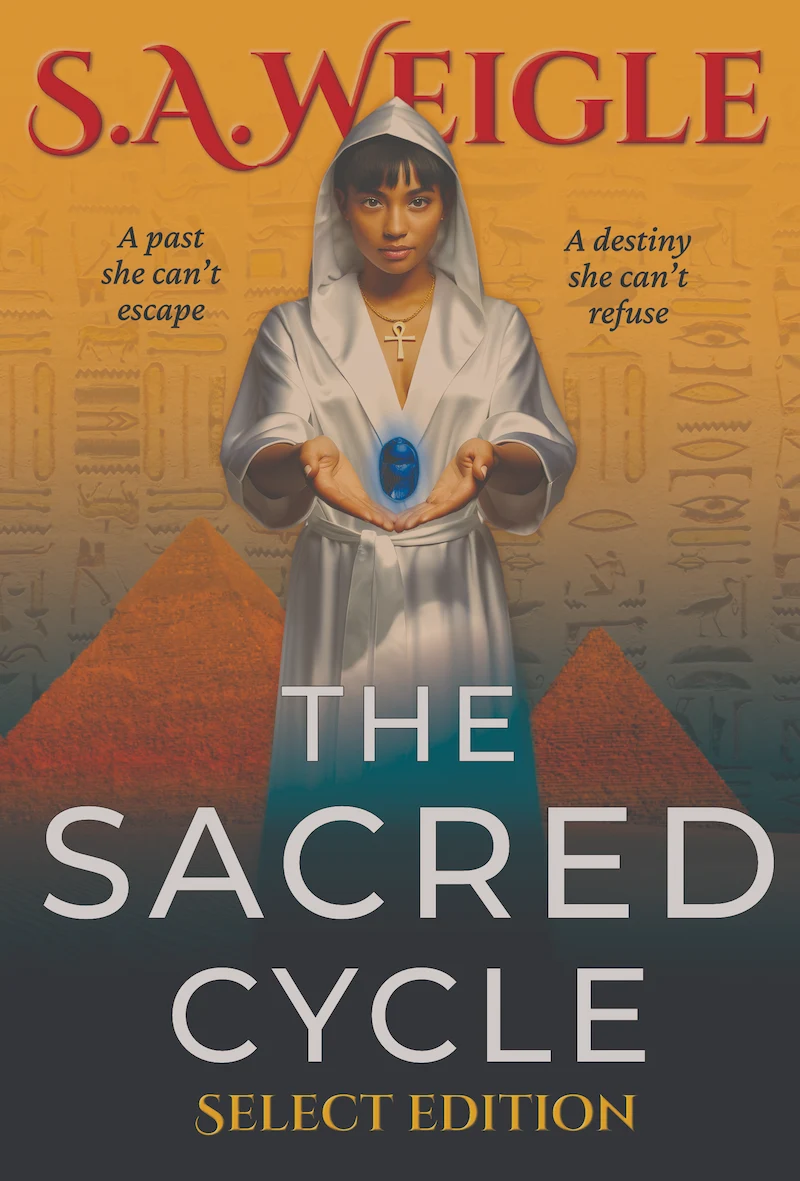
Well before I published The Sacred Cycle, I started observing other authors and how they navigate their way through the public sphere. Each one had different methods and different levels of interactions with readers.
There’s no wrong way to do it, of course; it’s an individual choice for each author and no two handle interaction the same way.
My personal takeaway was this:
I should decide up front what level of engagement I’m comfortable with, then design my website, articles, newsletter, and internal guardrails to fit.
For me, this is the only way I can ensure I don’t unintentionally stray from my self-imposed guidelines.
My first priority is protecting my blissfully introverted life
I enjoy a boring, low-key, daily routine which I have no desire to change.
Fortunately, I have only a whisp of online history and no social media presence. I’m well-positioned to start the next phase of my life on my own terms.
I’m well-positioned for scrutiny
To be clear: I have zero concerns about people being mean to me.
I was directly expressing my own perspective when I wrote this bit of dialogue for Teppi:
“There were things that upset me deeply—my own flaws for starters—but being snubbed and insulted was more amusing than anything.”
Chapter 24: The Ball > Scene A: Angela Opens Up
On top of not caring, my lack of social media means that people can rant all they want and I’ll never know.
My book is self-published and I own all the rights. I have no worries about a publisher getting cold feet and backing out of a contract.
It also helps being retired/self-employed. No company is going to find itself under pressure to cut me loose.
I have a miniscule social circle. They’ve known me a long time, so an angry mob can’t tell them anything they haven’t already considered.
My family (also very small) is already forgiving enough quirks that anything else won’t phase them.
I inhabit a low-drama zone
Don’t expect any author meltdowns from me over one-star Goodreads reviews or mean TikToks. If someone hasn’t learned the wisdom of “sticks and stones” by the time they’re sixty-three, they’ve lost the plot along the way.
So, my paranormal fans, if you ever feel the need to defend me online, don’t. It’s a nice thought, but I’ll never know.
I’d rather you spend your time interacting with people you like instead of arguing with people you don’t.
But my day-to-day life isn’t the only consideration.
I don’t like spoiling my own stories
One of my major concerns is spilling opinions that could hint to a reader how one of my plots or character arcs might turn out.
Seriously. I think about such things.
It’s the reason I’ve pre-declined interviews on my about page. Interviewers are good at eliciting opinions from guests on topics they often have no business talking about.
If my job was offering opinions, that would be fine. But it’s not—it’s writing fiction stories with plot twists.
I have a huge variety of books I plan to write in many different genres. I never want to inadvertently drop a hint about how one of those plots might resolve because it is an expression of my personal beliefs.
If people want to know how I feel about things, they can read my books. I’ve already put over 200,000 words into the public square, and some of my beliefs are there to be seen.
If you want to know more about what I think, stick around and keep reading. No shortcuts via interviews or appearances!
My biggest worry is people being nice to me
Nothing fills the validation-shaped hole in the human heart better than nice comments about something one has worked hard to create.
When it comes to fan interaction, it’s the nice people, not the mean ones, who would be the real danger for me.
I never want to entertain even a single thought that might bend one of my story arcs toward pleasing fans who share compliments.
It would be too easy for me to imagine that the nice voices whispering in my ear represent a large contingent of supportive people.
People who might be the first buyers of my next book.
People who might be crushed if I write a book that is radically different from one they’ve grown to love.
I’m not saying I’d let it stop me, but I’d rather not spend even a moment considering it.
Artists, not fans, bear the responsibility of preserving their art
Creative work fulfills its most important role in a society when it challenges people to think about perspectives they might not otherwise consider.
By examining uncomfortable subjects and revealing contradictions in human behavior, art helps society better understand itself.
Sometimes the fans who love the art exert pressure that diminishes an artist’s impact, especially the small percentage of vocal fans who write messages, post on social media, or comment.
But I believe it’s the artist’s responsibility—not the fans’—to ensure this never happens.
So for any fans who feel like I’m breaking off contact before it’s even established, you’re not wrong… but you may rest assured that it’s not you, it’s me.
Fall in love with the characters, not the author
That’s my best advice for readers of my work. My characters are who they are, forever unchanging once their role in a story has ended.
No matter what their creator gets up to, or how far he strays from common sense or good judgment, they’ll never disappoint.
~
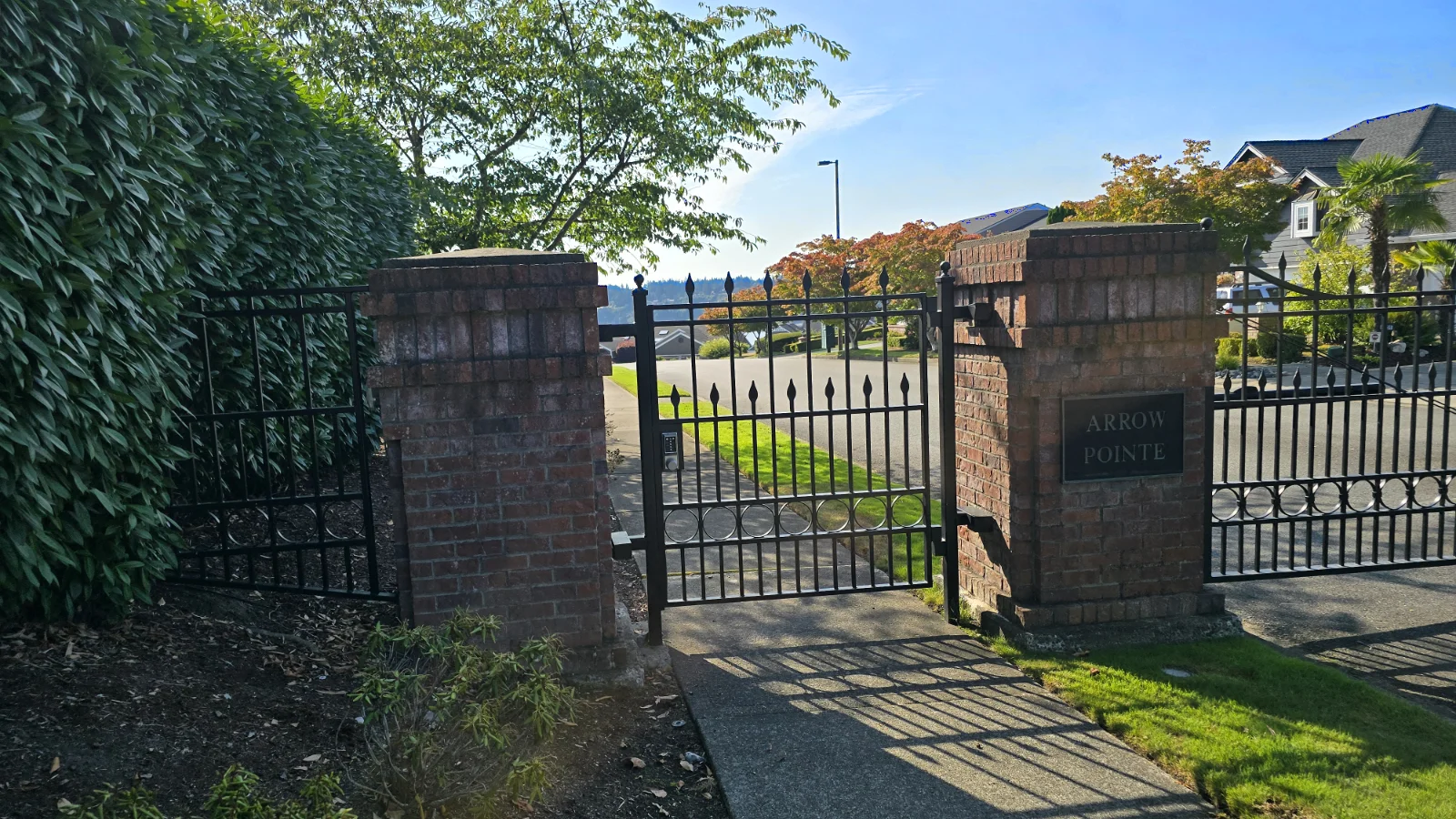
Featured image by S. A. Weigle. Neighborhood gate. Tacoma.